
Pelvi-Ureteric Junction Obstruction (PUJO) is a condition in which there is a blockage at the point where the kidney connects to the ureter. This obstruction prevents urine from flowing freely from the kidney to the bladder, leading to a buildup of urine and increased pressure within the kidney. Over time, this can significantly impact kidney function in children. Seeking timely care from a Child Surgery Specialist HSR Layout, Bangalore is essential to prevent long-term complications.
What Happens in PUJO?
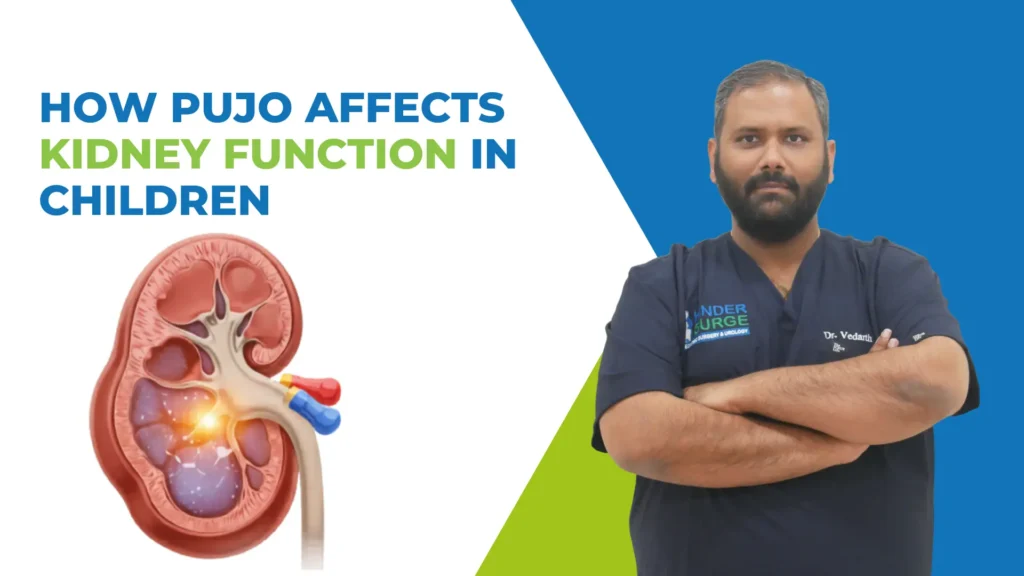
In a healthy urinary system, urine flows smoothly from the kidneys to the bladder. In children with PUJO, this flow is obstructed, causing urine to accumulate in the kidney. This results in a condition called hydronephrosis, where the kidney becomes swollen due to excess urine.
How PUJO Affects Kidney Function
1. Increased Pressure Inside the Kidney
The blockage causes urine to collect in the kidney, increasing internal pressure. This pressure compresses the delicate kidney tissues responsible for filtering waste from the blood, reducing their efficiency over time.
2. Reduced Blood Supply
As pressure builds up, it can affect the normal blood flow within the kidney. Reduced blood supply means less oxygen and nutrients reach kidney cells, which can lead to gradual damage and loss of healthy tissue.
3. Progressive Damage to Kidney Tissue
If PUJO is not treated, the continuous pressure and poor circulation can damage the nephrons—the functional units of the kidney. This may result in a decline in kidney function, and in severe cases, permanent damage.
4. Risk of Recurrent Infections
Stagnant urine in the kidney creates an environment where bacteria can grow easily. Children with PUJO are more prone to urinary tract infections (UTIs), which can further damage kidney tissue if they occur repeatedly.
5. Impact on Overall Health
Kidneys play a vital role in maintaining fluid balance and removing toxins. When kidney function is affected, it can influence a child’s overall growth, development, and general health.
Symptoms to Watch For
Parents should be aware of the following signs:
- Abdominal or side pain
- Swelling in the abdomen
- Recurrent fever or urinary infections
- Vomiting or poor feeding in infants
- Blood in urine (in rare cases)
Early evaluation by a Pediatric Laparoscopic Surgeon in HSR Layout can help detect the condition before it causes significant damage.
Diagnosis and Treatment
PUJO is usually diagnosed through imaging tests such as ultrasound and renal scans. The treatment approach depends on the severity of the obstruction.
- Mild cases may only require regular monitoring, as some children improve naturally with growth.
- Moderate to severe cases often require surgical intervention, most commonly pyeloplasty, to remove the blockage and restore normal urine flow.
Minimally invasive techniques performed by a Pediatric Laparoscopic Surgeon in HSR Layout offer faster recovery and excellent outcomes.
Importance of Early Treatment
Timely treatment of PUJO can:
- Prevent permanent kidney damage
- Preserve normal kidney function
- Reduce the risk of infections
- Support healthy growth and development
FAQS
1. What is Pelvi-Ureteric Junction Obstruction (PUJO) in children?
PUJO is a condition where there is a blockage between the kidney and ureter, preventing normal urine flow and causing swelling of the kidney.
2. Can PUJO damage my child’s kidney permanently?
Yes, if left untreated, PUJO can lead to increased pressure, reduced blood flow, and long-term kidney damage. Early diagnosis helps prevent complications.
3. What are the common symptoms of PUJO in children?
Symptoms may include abdominal pain, swelling, recurrent urinary infections, fever, vomiting, or poor feeding in infants.
4. How is PUJO diagnosed in children?
PUJO is usually diagnosed using imaging tests like ultrasound and renal scans, which help assess kidney function and detect blockages.
5. What is the best treatment for PUJO?
Treatment depends on severity. Mild cases may need monitoring, while severe cases often require surgery like pyeloplasty by a specialist for effective results.
Conclusion
PUJO can have a significant impact on kidney function if left untreated. Increased pressure, reduced blood flow, and repeated infections can gradually damage the kidney. However, with early diagnosis and proper treatment, most children recover well without long-term complications. Consulting an experienced specialist like Dr. Vedarth Dash, a trusted Child Surgery Specialist HSR Layout Bangalore, ensures the best possible care and outcomes for your child.