
Hydronephrosis is a condition where the kidneys become swollen due to a buildup of urine, and it can affect both children and adults in very different ways. Understanding these differences is crucial for early diagnosis and proper treatment. If you are looking for expert care, consulting the Best Doctors For Hydronephrosis Treatment In Bangalore can help ensure the right approach for both pediatric and adult patients.
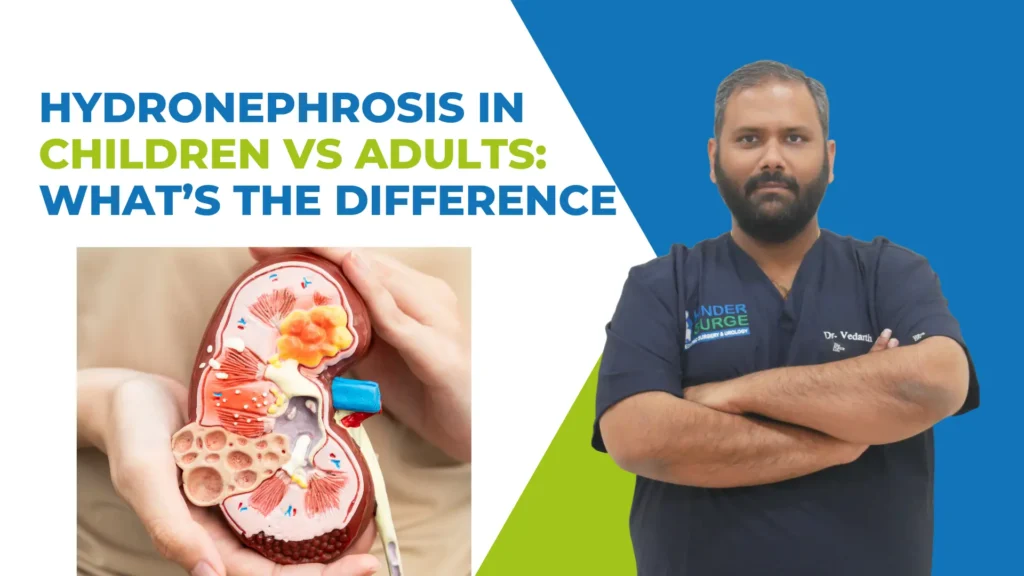
What is Hydronephrosis?
Hydronephrosis occurs when urine flow is obstructed or reversed, leading to kidney swelling. It can affect one or both kidneys and may vary from mild to severe depending on the underlying cause.
Hydronephrosis in Children
In children, hydronephrosis is most commonly congenital, meaning it is present from birth. It is often detected during prenatal ultrasounds, even before the baby is born.
Common Causes
- Ureteropelvic Junction (UPJ) obstruction
- Vesicoureteral reflux (VUR)
- Structural abnormalities in the urinary tract
Symptoms
- May have no symptoms initially
- Recurrent urinary tract infections (UTIs)
- Abdominal swelling
- Irritability in infants
Treatment
Many mild cases resolve naturally with monitoring. However, severe cases may require surgical correction to restore normal urine flow.
Hydronephrosis in Adults
In adults, hydronephrosis is usually acquired and develops due to other medical conditions.
Common Causes
- Kidney stones
- Enlarged prostate
- Tumors in the urinary tract
- Ureteral strictures
Symptoms
- Flank or back pain
- Painful urination
- Frequent urge to urinate
- Nausea or vomiting
Treatment
Treatment focuses on the underlying cause, such as removing stones, treating infections, or relieving blockages through procedures or surgery.
Key Differences Between Children and Adults
Hydronephrosis presents differently depending on age. In children, the condition is usually present at birth and often detected early, sometimes even before symptoms appear. Many cases are mild and can resolve with careful monitoring, though some may require surgery.
In contrast, adults develop hydronephrosis due to external factors such as stones or tumors. Symptoms are usually more noticeable and include pain and urinary issues. Treatment in adults is primarily aimed at addressing the root cause rather than just managing the condition.
Expert Insight by Dr. Vedarth Dash
According to Dr. Vedarth Dash, early diagnosis plays a vital role in preventing long-term kidney damage. He emphasizes that while children may only need observation in mild cases, adults must undergo proper evaluation to identify and treat the exact cause of hydronephrosis for effective recovery.
Frequently Asked Questions (FAQs)
1. Is hydronephrosis dangerous?
Yes, if left untreated, it can lead to kidney damage. Early medical intervention is important.
2. Can hydronephrosis resolve on its own?
In children, mild cases often improve naturally. In adults, it depends on the underlying cause.
3. How is hydronephrosis diagnosed?
It is diagnosed using imaging tests like ultrasound, CT scan, and urine tests.
4. When is surgery needed?
Surgery is required in severe cases or when there is a persistent blockage affecting kidney function.
5. Can both kidneys be affected?
Yes, hydronephrosis can affect one or both kidneys depending on the condition.
Conclusion
Hydronephrosis in children and adults differs in causes, symptoms, and treatment approaches. While children often experience congenital forms that may resolve with monitoring, adults usually require targeted treatment based on the underlying issue. Timely diagnosis and expert care are essential to prevent complications. For accurate evaluation and advanced care, consult the Best Doctors For Hydronephrosis Treatment In Bangalore to ensure the best outcomes for kidney health.