
When parents look for a Pediatric Laparoscopic Surgeon in HSR Layout, they are often searching for advanced surgical care that offers smaller cuts, faster recovery, and less discomfort for children. Laparoscopic surgery, also known as minimally invasive surgery, has transformed pediatric healthcare by allowing surgeons to treat several conditions with greater precision and reduced recovery time. From abdominal problems to congenital conditions, laparoscopic procedures are now widely preferred for many pediatric surgical treatments.
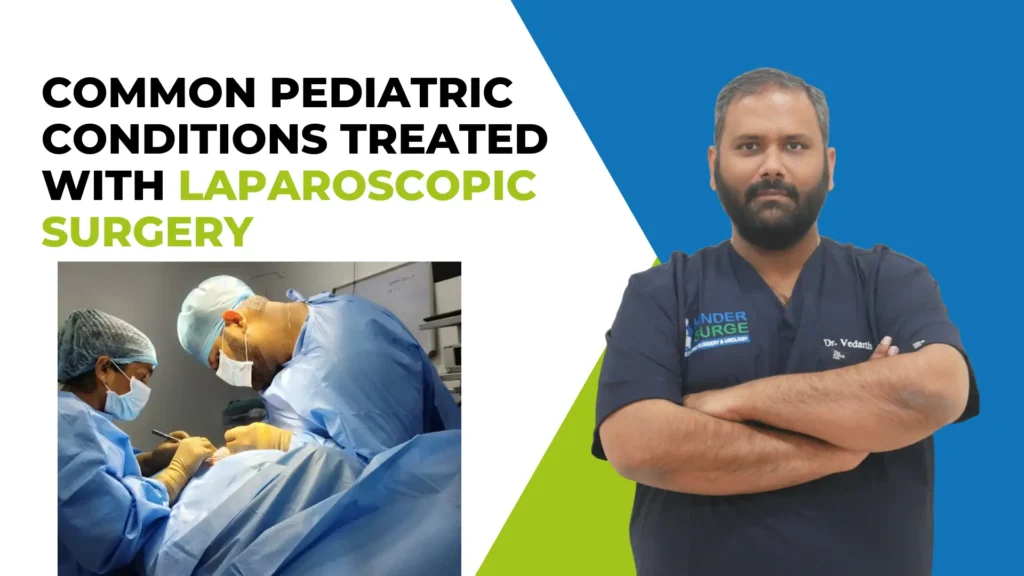
What is Pediatric Laparoscopic Surgery?
Pediatric laparoscopic surgery is a minimally invasive surgical technique performed using tiny incisions, a camera, and specialized instruments. Instead of making large cuts, surgeons operate through small openings, which helps reduce pain, scarring, and hospital stay.
This approach is commonly used for infants, children, and teenagers who require surgical treatment for various medical conditions.
Benefits of Laparoscopic Surgery in Children
Laparoscopic surgery offers several advantages compared to traditional open surgery:
- Smaller incisions and minimal scars
- Reduced pain after surgery
- Faster healing and recovery
- Shorter hospital stay
- Lower risk of infection
- Quicker return to normal activities
Because children recover faster and experience less discomfort, many parents prefer minimally invasive procedures whenever possible.
Common Pediatric Conditions Treated with Laparoscopic Surgery
1. Appendicitis
Appendicitis is one of the most common emergencies in children. A laparoscopic appendectomy helps remove the inflamed appendix safely through tiny incisions. Children usually recover quickly and can resume daily activities sooner.
2. Hernia
Pediatric hernias occur when an internal organ pushes through a weak area in the muscle wall. Laparoscopic surgery is commonly used to repair:
- Inguinal hernia
- Umbilical hernia
- Recurrent hernia
The procedure allows accurate repair with minimal discomfort.
3. Undescended Testes (Cryptorchidism)
In some boys, one or both testicles do not descend properly into the scrotum. Laparoscopy helps locate and treat undescended testes effectively, especially when the testis cannot be felt during examination.
4. Gallbladder Stones
Although less common in children, gallstones can cause abdominal pain, nausea, and digestion issues. Laparoscopic gallbladder removal is considered a safe and effective treatment option.
5. Ovarian Cysts
Adolescent girls may develop ovarian cysts that cause pain or complications. Pediatric laparoscopic surgery helps remove cysts while preserving healthy ovarian tissue whenever possible.
6. Intestinal Obstruction
Certain conditions can block the intestines and affect digestion. Laparoscopic procedures help diagnose and treat these blockages with less trauma to the child’s body.
7. Gastroesophageal Reflux Disease (GERD)
Severe reflux in children that does not improve with medication may require surgical correction. Laparoscopic fundoplication is commonly performed to reduce acid reflux symptoms.
8. Congenital Abdominal Conditions
Some children are born with abnormalities involving the stomach, intestines, or diaphragm. Laparoscopic surgery is increasingly used to manage these congenital disorders with improved precision.
When Should Parents Consider Laparoscopic Surgery?
Parents should consult a pediatric surgeon if their child experiences symptoms such as:
- Persistent abdominal pain
- Swelling in the groin or abdomen
- Vomiting and digestive problems
- Recurrent infections
- Unexplained lumps or discomfort
Early diagnosis and timely treatment can help prevent complications and ensure better outcomes.
Is Laparoscopic Surgery Safe for Children?
Yes, laparoscopic surgery is considered safe for children when performed by an experienced pediatric surgeon. Modern surgical technology and specialized pediatric care have made these procedures highly effective with excellent recovery outcomes.
The surgeon carefully evaluates the child’s condition, age, and overall health before recommending the most suitable treatment approach.
Frequently Asked Questions (FAQs)
1. What age is suitable for pediatric laparoscopic surgery?
Laparoscopic surgery can be performed in infants, children, and teenagers depending on the medical condition and overall health of the child.
2. Does laparoscopic surgery leave scars?
The procedure uses very small incisions, so scars are usually minimal and less noticeable compared to open surgery.
3. How long does recovery take after pediatric laparoscopic surgery?
Recovery time varies depending on the condition treated, but most children recover faster than with traditional open surgery.
4. Is laparoscopic surgery painful for children?
Children generally experience less pain after laparoscopic surgery because the incisions are smaller.
5. Why choose a Pediatric Laparoscopic Surgeon in HSR Layout?
An experienced pediatric laparoscopic surgeon can provide advanced minimally invasive treatment tailored specifically for children, ensuring safer procedures and quicker recovery.
Conclusion
Choosing a skilled Pediatric Laparoscopic Surgeon in HSR Layout can make a significant difference in your child’s treatment and recovery experience. Laparoscopic surgery has become a preferred option for treating many pediatric conditions because it offers less pain, smaller scars, quicker healing, and faster return to normal life. With proper diagnosis and expert surgical care, children can recover comfortably and continue their healthy growth and development.