
Constipation is one of the most common digestive problems in children and is often overlooked until symptoms become severe. While infrequent bowel movements may seem harmless, untreated constipation can lead to significant discomfort, including stomach pain, bloating, and even vomiting. Seeking Childhood Constipation Treatment in HSR Layout at the right time helps identify the underlying cause and prevents complications. Early evaluation by a pediatric specialist ensures your child receives safe, effective, and child-friendly care.
Understanding Constipation in Children
Constipation occurs when a child passes hard, dry stools or has difficulty passing bowel movements. It may be caused by inadequate fiber intake, poor hydration, stool withholding, changes in routine, or certain medical conditions. As stool remains in the colon for longer periods, it becomes harder and more difficult to pass, leading to discomfort and abdominal symptoms.
Persistent constipation should never be ignored, as it can affect a child’s appetite, daily activities, and overall well-being.
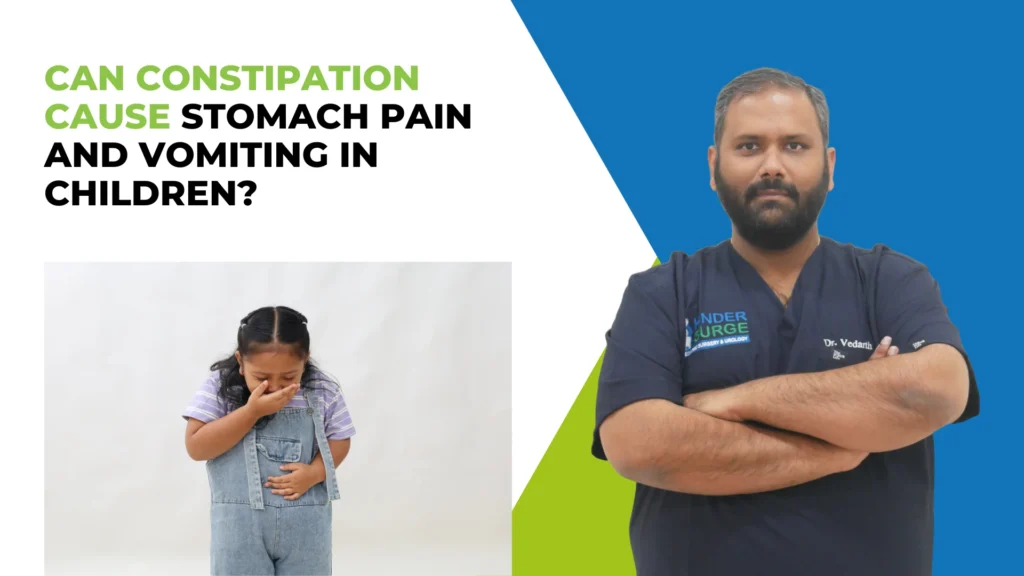
Can Constipation Cause Stomach Pain and Vomiting?
Yes. Severe constipation can cause stomach pain and, in some cases, vomiting. When large amounts of stool accumulate in the intestines, they create pressure inside the abdomen. This pressure slows the movement of food through the digestive tract, causing symptoms such as nausea, abdominal bloating, and vomiting.
Children may also complain of cramping, reduced appetite, or fullness after eating only a small amount.
Common Symptoms of Childhood Constipation
1. Stomach Pain
Children often experience pain around the lower abdomen due to trapped stool and gas.
2. Vomiting or Nausea
Severe constipation can slow digestion, resulting in nausea or vomiting, especially if bowel blockage is developing.
3. Hard or Painful Stools
Passing large, dry stools can be painful and may cause children to avoid using the toilet.
4. Abdominal Bloating
The abdomen may appear swollen or feel tight because of trapped stool and gas.
5. Loss of Appetite
Constipation often makes children feel full, reducing their desire to eat.
Warning Signs Parents Should Not Ignore
Parents should seek medical evaluation if their child experiences:
- Persistent stomach pain
- Vomiting along with constipation
- Blood in the stool
- Severe abdominal swelling
- No bowel movement for several days
- Pain while passing stools
- Fever associated with constipation
- Poor weight gain or reduced appetite
Early medical attention helps prevent complications and provides relief before symptoms worsen.
When Should You See a Pediatric Specialist?
If constipation continues despite dietary changes or is associated with severe stomach pain, vomiting, recurrent episodes, or poor growth, it is important to consult a pediatric specialist. A detailed evaluation helps determine whether the constipation is functional or caused by an underlying medical condition.
Children with chronic constipation benefit from personalized treatment plans that focus on long-term digestive health rather than temporary symptom relief.
Diagnosis and Treatment Approach
A pediatric specialist carefully evaluates the child’s medical history, dietary habits, bowel patterns, and physical examination findings. Additional investigations may be recommended if necessary.
Treatment may include:
- Dietary modifications with increased fiber
- Adequate fluid intake
- Toilet training and bowel habit counseling
- Safe stool-softening medications when indicated
- Treatment of any underlying medical condition
- Regular follow-up for chronic constipation
Early intervention improves bowel function and reduces the risk of recurring symptoms.
Supporting Your Child During Recovery
Parents play an essential role in helping children overcome constipation. Encourage healthy eating habits, regular water intake, physical activity, and consistent toilet routines. Avoid punishing or forcing children during toilet training, as this may worsen stool withholding behaviors. Positive encouragement and regular follow-up with your pediatric specialist support long-term recovery.
FAQ
1. Can constipation really cause vomiting in children?
Yes. Severe constipation can slow the digestive system, causing nausea and vomiting due to stool buildup and increased pressure inside the intestines.
2. Why does constipation cause stomach pain?
Hard stool stretches the intestines and traps gas, leading to abdominal pain, bloating, and cramping.
3. When should I worry about constipation in my child?
Seek medical attention if constipation lasts several days, causes severe pain, vomiting, blood in the stool, abdominal swelling, or poor appetite.
4. Can constipation be treated without surgery?
Yes. Most children improve with dietary changes, hydration, bowel habit training, and medications prescribed by a pediatric specialist.
5. Where can I get expert Childhood Constipation Treatment in HSR Layout?
Dr. Vedarth Dash provides comprehensive Childhood Constipation Treatment in HSR Layout, offering child-friendly evaluation and personalized treatment plans to help children achieve healthy bowel habits and long-term digestive health.
Conclusion
Constipation is more than just infrequent bowel movements—it can lead to stomach pain, bloating, nausea, and even vomiting if left untreated. Recognizing the warning signs early allows parents to seek timely medical care and prevent unnecessary complications. If your child is experiencing persistent constipation or related symptoms, consult Dr. Vedarth Dash for expert Childhood Constipation Treatment in HSR Layout and compassionate pediatric care tailored to your child’s needs.