
A groin hernia is one of the most common surgical conditions seen in infants and children. It occurs when a small portion of the intestine or abdominal tissue protrudes through a weak area in the groin. While the swelling may appear harmless at first, delaying medical attention can lead to serious complications. Consulting an experienced specialist for Child Groin Hernia Treatment in HSR Layout ensures early diagnosis, timely treatment, and a safe recovery for your child.
Understanding Groin Hernia in Children
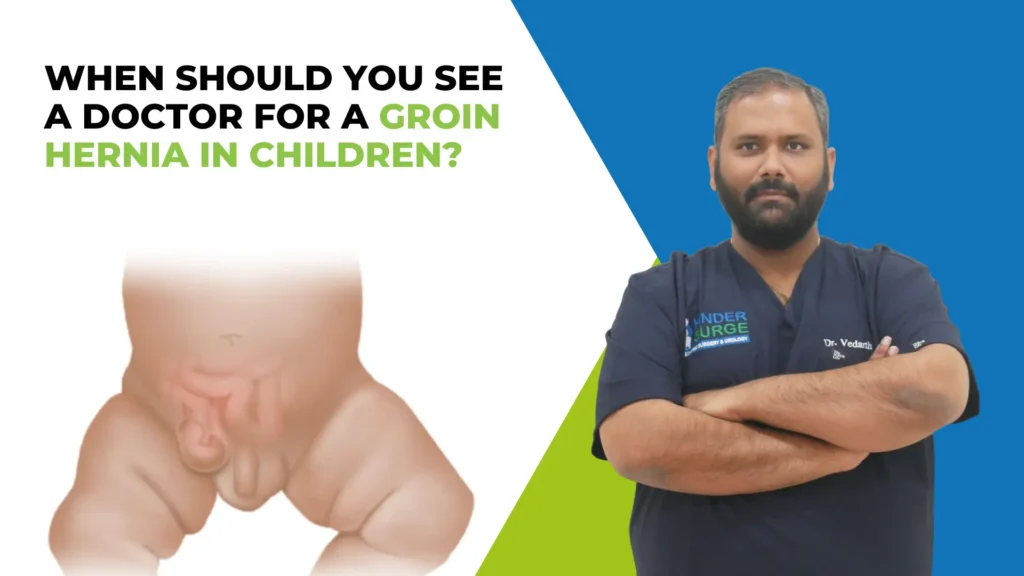
A groin (inguinal) hernia develops when the passage that allows the testes to descend before birth fails to close completely. This leaves a small opening through which abdominal contents can bulge into the groin or scrotum. Groin hernias are more common in boys but can also occur in girls and premature babies.
Unlike some childhood conditions, a groin hernia does not heal on its own and usually requires surgical repair.
Common Signs of a Groin Hernia in Children
Parents should watch for the following symptoms:
1. Visible Lump in the Groin
A soft swelling or bulge that becomes more noticeable when the child cries, coughs, laughs, or strains.
2. Swelling That Disappears While Resting
The lump may reduce or disappear when the child is lying down or relaxed but reappears during activity.
3. Pain or Discomfort
Older children may complain of pain, heaviness, or discomfort in the groin, especially during physical activity.
4. Swelling in the Scrotum
In baby boys, the hernia may extend into the scrotum, causing one side to appear larger than the other.
5. Irritability in Infants
Babies with a groin hernia may become unusually fussy, cry excessively, or refuse feeding due to discomfort.
When Should You See a Doctor?
You should seek medical evaluation immediately if your child has:
- A lump or swelling in the groin that appears repeatedly
- Swelling that increases while crying or coughing
- Pain or tenderness around the groin
- Vomiting along with groin swelling
- A bulge that does not disappear when the child is relaxed
- Redness or discoloration over the swelling
- Sudden severe crying or abdominal pain
Early consultation helps prevent complications and allows treatment before the hernia becomes an emergency.
When Is It an Emergency?
A groin hernia can become incarcerated when the intestine gets trapped inside the opening. This may further progress to strangulation, where blood supply to the trapped intestine is cut off.
Emergency warning signs include:
- Severe pain
- Persistent vomiting
- A hard, swollen lump that cannot be pushed back
- Red or purple discoloration over the swelling
- Fever or excessive irritability
- Refusal to feed in infants
If these symptoms occur, immediate medical attention is essential.
Diagnosis and Treatment Approach
A pediatric surgeon usually diagnoses a groin hernia through a physical examination. Imaging tests such as ultrasound may be recommended if the diagnosis is unclear.
Treatment typically involves:
- Clinical evaluation by a pediatric surgeon
- Ultrasound examination when required
- Planned surgical repair
- Minimally invasive laparoscopic surgery in selected cases
- Day-care surgery with early discharge for most children
Modern pediatric hernia surgery is safe, effective, and allows children to recover quickly with minimal discomfort.
Supporting Your Child Before and After Surgery
Parents can help by:
- Following fasting instructions before surgery
- Keeping the surgical area clean after the procedure
- Encouraging quiet play during recovery
- Monitoring the incision for redness or swelling
- Attending follow-up appointments as advised
Most children return to their normal activities within a short period after surgery.
FAQ
1. When should I take my child to a doctor for a groin hernia?
If you notice a lump or swelling in your child’s groin, especially when crying or coughing, consult a specialist promptly. Early evaluation prevents complications and ensures timely Child Groin Hernia Treatment in HSR Layout.
2. Can a groin hernia in children heal without surgery?
No. A pediatric groin hernia does not close on its own and usually requires surgical repair to prevent future complications.
3. Is groin hernia surgery safe for children?
Yes. Pediatric groin hernia surgery is a routine and safe procedure with excellent success rates and quick recovery.
4. How soon should surgery be done after diagnosis?
Most children are advised to undergo surgery soon after diagnosis to reduce the risk of the hernia becoming trapped or strangulated.
5. Who provides expert Child Groin Hernia Treatment in HSR Layout?
Dr. Vedarth Dash offers comprehensive evaluation and treatment for groin hernias in children. His expertise in pediatric surgery ensures accurate diagnosis, effective treatment, and compassionate care for every child.
Conclusion
A groin hernia in children should never be ignored, even if the swelling appears only occasionally. Early diagnosis and timely surgical treatment help prevent serious complications while ensuring a smooth recovery. If your child has persistent groin swelling or related symptoms, seeking expert care for Child Groin Hernia Treatment in HSR Layout provides accurate diagnosis, advanced surgical management, and compassionate care tailored to your child’s needs under the expertise of Dr. Vedarth Dash.