
Constipation is one of the most common digestive problems seen in children, yet many parents are unsure when occasional difficulty passing stool becomes a real concern. Some children may simply skip a day or two, while others experience painful bowel movements, hard stools, or stomach discomfort that can affect their appetite, sleep, and mood. Seeking timely Child Constipation Treatment in HSR Layout can help identify the cause early and prevent ongoing discomfort. Pediatric specialists focus on child-friendly evaluation and treatment approaches that support healthy bowel habits and overall well-being.
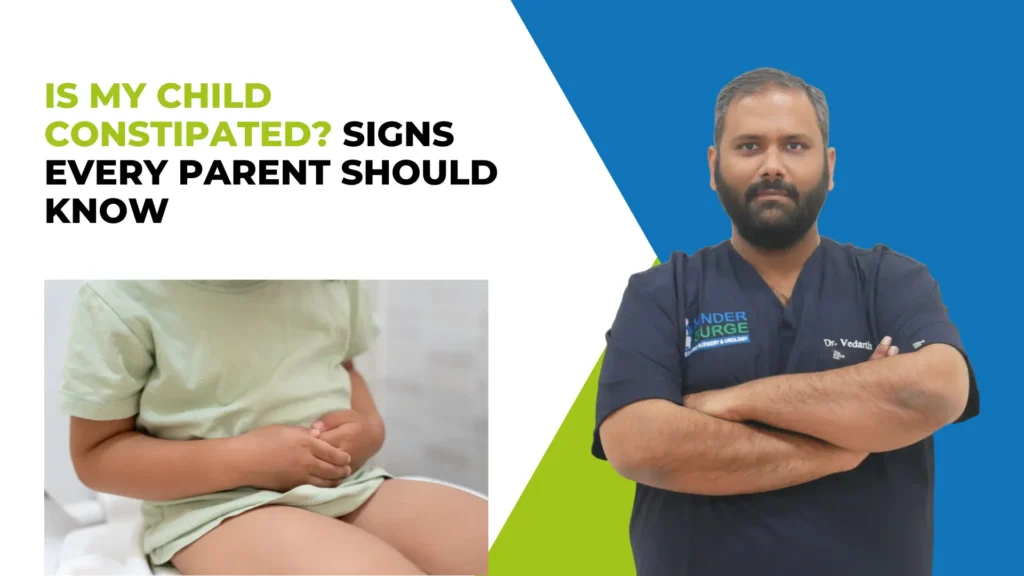
Understanding Constipation in Children
Constipation occurs when a child has infrequent, hard, or difficult-to-pass stools. While bowel habits vary from child to child, constipation is generally suspected when bowel movements become painful, unusually hard, or occur less often than normal for that child.
In many cases, constipation is temporary and related to diet, hydration, toilet training, or changes in routine. However, persistent constipation should not be ignored, as it can lead to abdominal pain, stool withholding, and other complications.
Signs Every Parent Should Know
Parents should watch for these common signs of constipation:
1. Hard or Dry Stools
Stools that are hard, dry, or pellet-like are one of the most obvious signs of constipation.
2. Pain During Bowel Movements
If your child cries, strains excessively, or avoids using the toilet because it hurts, constipation may be the cause.
3. Infrequent Bowel Movements
Going several days without a bowel movement, especially when accompanied by discomfort, may indicate constipation.
4. Stomach Pain or Bloating
Children with constipation often complain of tummy aches, bloating, or a feeling of fullness.
5. Stool Withholding
Some children intentionally hold their stool because they fear pain. They may cross their legs, hide, or appear restless when they need to pass stool.
Other Warning Signs Parents Should Not Ignore
Consider medical evaluation if your child experiences:
- Blood in the stool
- Persistent abdominal pain
- Vomiting along with constipation
- Weight loss or poor growth
- Constipation lasting for several weeks
- Fever with bowel symptoms
- Severe pain while passing stool
Early assessment can help prevent complications and provide relief for your child.
What Causes Constipation in Children?
Several factors can contribute to constipation:
- Low fiber intake
- Inadequate water consumption
- Holding stool for long periods
- Changes in routine, travel, or school schedules
- Toilet training challenges
- Certain medical conditions affecting the digestive system
When Should You Seek Child Constipation Treatment?
You should seek Child Constipation Treatment in HSR Layout if constipation is recurrent, painful, or interfering with your child’s daily activities. A pediatric specialist can evaluate whether the problem is related to diet, behavior, or an underlying medical condition.
Evaluation may include a detailed medical history, physical examination, and additional tests if needed. Treatment is tailored to your child’s age, symptoms, and overall health.
Diagnosis and Treatment Approach
Modern pediatric care focuses on gentle, child-centered treatment. Common management options include:
- Dietary changes to increase fiber intake
- Encouraging regular hydration
- Establishing healthy toilet habits
- Behavioral guidance for stool withholding
- Medications or stool softeners when prescribed by a doctor
- Monitoring for long-term or recurrent constipation
With proper treatment, most children experience significant improvement and develop healthier bowel habits.
Supporting Your Child at Home
Parents can help by:
- Encouraging fruits, vegetables, and whole grains
- Ensuring adequate water intake
- Creating a regular toilet routine
- Allowing enough time for bathroom visits
- Avoiding punishment or blame for constipation-related accidents
Positive support and patience are important parts of recovery.
FAQ
1. How do I know if my child is constipated?
Hard stools, painful bowel movements, infrequent stools, abdominal pain, and stool withholding are common signs of constipation.
2. Is constipation common in children?
Yes. Constipation is very common in children and is often related to diet, hydration, or toilet habits.
3. Can constipation cause stomach pain?
Yes. Constipation frequently causes abdominal pain, bloating, and a feeling of fullness.
4. When should I take my child to a doctor for constipation?
You should seek medical care if constipation is persistent, painful, associated with blood in the stool, vomiting, poor growth, or recurrent episodes.
5. Where can I get expert Child Constipation Treatment in HSR Layout?
For comprehensive Child Constipation Treatment in HSR Layout, consult Dr. Vedarth Dash, who provides expert evaluation and personalized treatment for constipation and other pediatric digestive conditions.
Conclusion
Constipation in children is common, but persistent symptoms should never be ignored. Recognizing the early signs can help prevent discomfort, stool withholding, and other complications. Seeking timely Child Constipation Treatment in HSR Layout ensures that your child receives accurate diagnosis, effective treatment, and compassionate care tailored to their individual needs, helping them return to healthy and comfortable bowel habits.