
A groin hernia is one of the most common surgical conditions seen in infants and children. While it may initially appear as a small lump, ignoring the condition can lead to serious complications if the hernia becomes trapped. Seeking Groin Hernia Treatment for Children in HSR Layout at the earliest signs ensures timely diagnosis, safe treatment, and a faster recovery. Pediatric surgeons specialize in identifying groin hernias and providing child-friendly surgical care using modern, minimally invasive techniques whenever appropriate.
Understanding Groin Hernias in Children
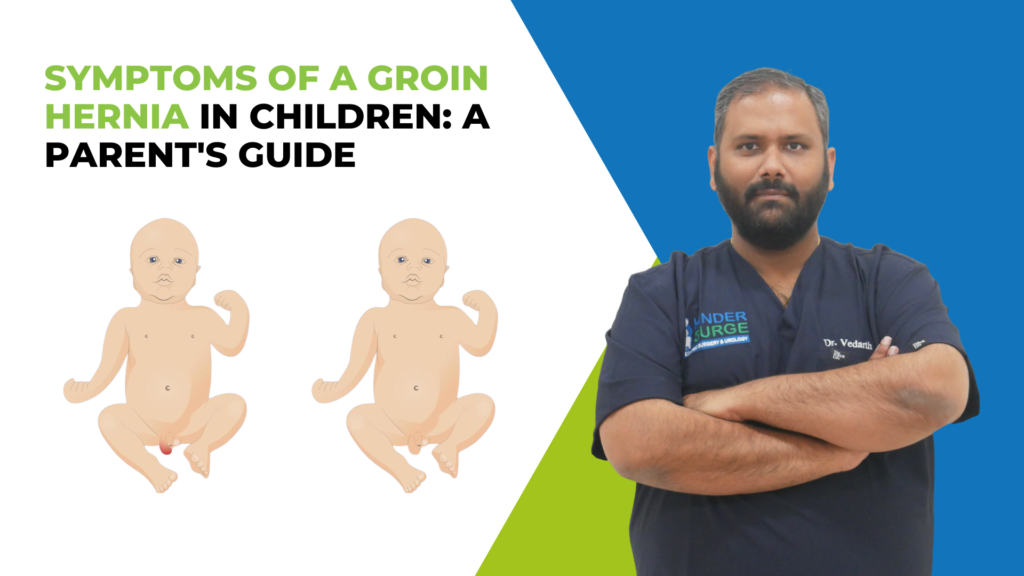
A groin hernia, also known as an inguinal hernia, occurs when a portion of the intestine or abdominal tissue pushes through a weak area in the lower abdominal wall. This condition is often present from birth and is more common in premature babies and boys, although girls can also develop groin hernias.
The swelling may appear and disappear, especially when a child cries, coughs, strains, or stands. Since groin hernias do not heal on their own, early medical evaluation is essential to avoid complications.
Common Symptoms of a Groin Hernia in Children
1. A Visible Lump in the Groin
The most noticeable symptom is a soft swelling or bulge in the groin area. The lump may become more prominent when the child cries, laughs, coughs, or strains.
2. Swelling That Comes and Goes
Many parents notice that the swelling disappears when the child is sleeping or relaxed and returns during physical activity or crying.
3. Pain or Discomfort
Older children may complain of pain, heaviness, or discomfort in the groin, especially after running, playing, or standing for long periods.
4. Irritability in Infants
Babies with a groin hernia may become unusually fussy or cry more than usual because they cannot express their discomfort.
5. Swelling in the Scrotum or Labia
In boys, the hernia may extend into the scrotum, causing one side to appear enlarged. In girls, swelling may be noticed near the labia.
Warning Signs Parents Should Never Ignore
Parents should seek immediate medical attention if their child experiences:
- A groin lump that becomes hard or painful
- Redness or discoloration over the swelling
- Persistent crying that cannot be comforted
- Vomiting or refusal to feed
- Fever along with groin swelling
- A lump that cannot be gently pushed back in
- Severe abdominal pain or bloating
These symptoms may indicate an incarcerated or strangulated hernia, which requires urgent surgical treatment.
When Should You See a Pediatric Surgeon?
Parents should consult a pediatric surgeon as soon as a groin lump or swelling is noticed. Even if the swelling disappears on its own, it should still be evaluated because groin hernias do not resolve without surgery.
A pediatric surgeon will perform a physical examination and recommend additional imaging only if required. Early diagnosis allows planned surgery before complications develop.
Diagnosis and Treatment Approach
The diagnosis of a groin hernia is usually made through a detailed physical examination. In selected cases, an ultrasound may be recommended to confirm the diagnosis.
Treatment typically involves:
- Clinical examination by a pediatric surgeon
- Ultrasound if needed
- Planned hernia repair surgery
- Minimally invasive laparoscopic surgery in suitable children
- Day-care surgery with early discharge in most cases
- Regular follow-up after surgery
Modern pediatric hernia surgery is safe, effective, and associated with excellent recovery outcomes when performed by an experienced pediatric surgeon.
Supporting Your Child During Recovery
Parents play an important role in helping their child recover comfortably after surgery. Encourage adequate rest, provide nutritious meals and fluids, and follow the surgeon’s postoperative instructions carefully. Most children resume their normal daily activities within a short period, although strenuous activities should be avoided until advised by the doctor.
FAQ
1. What is the first symptom of a groin hernia in children?
The earliest sign is usually a soft lump or swelling in the groin that becomes more noticeable during crying, coughing, or physical activity.
2. Can a groin hernia disappear on its own?
No. A groin hernia does not heal naturally and usually requires surgical repair to prevent future complications.
3. Is groin hernia surgery safe for children?
Yes. Groin Hernia Treatment for Children in HSR Layout is a safe and commonly performed procedure with excellent success rates and quick recovery when performed by an experienced pediatric surgeon.
4. How soon should a child undergo hernia surgery?
Once diagnosed, surgery is generally recommended without unnecessary delay to reduce the risk of incarceration or strangulation.
5. Who is the best doctor for Groin Hernia Treatment for Children in HSR Layout?
Dr. Vedarth Dash is a trusted pediatric surgeon offering Groin Hernia Treatment for Children in HSR Layout.
Conclusion
Recognizing the early symptoms of a groin hernia can help parents seek treatment before complications arise. A simple groin swelling should never be ignored, even if it appears only occasionally. Early diagnosis and expert Groin Hernia Treatment for Children in HSR Layout ensure safe surgical care, faster recovery, and the best possible outcomes for your child’s long-term health. If you notice any signs of a groin hernia, consult Dr. Vedarth Dash for specialized pediatric surgical evaluation and compassionate, child-focused care.