
A groin hernia, also known as an inguinal hernia, is one of the most common surgical conditions seen in infants and children. Every parent should be aware of the Groin Hernia Treatment for Children in HSR Layout, as early diagnosis can prevent complications and ensure timely treatment. While it may appear as a simple swelling in the groin area, ignoring it can lead to serious health concerns. Understanding the signs, causes, and treatment options can help parents take the right steps for their child’s well-being.
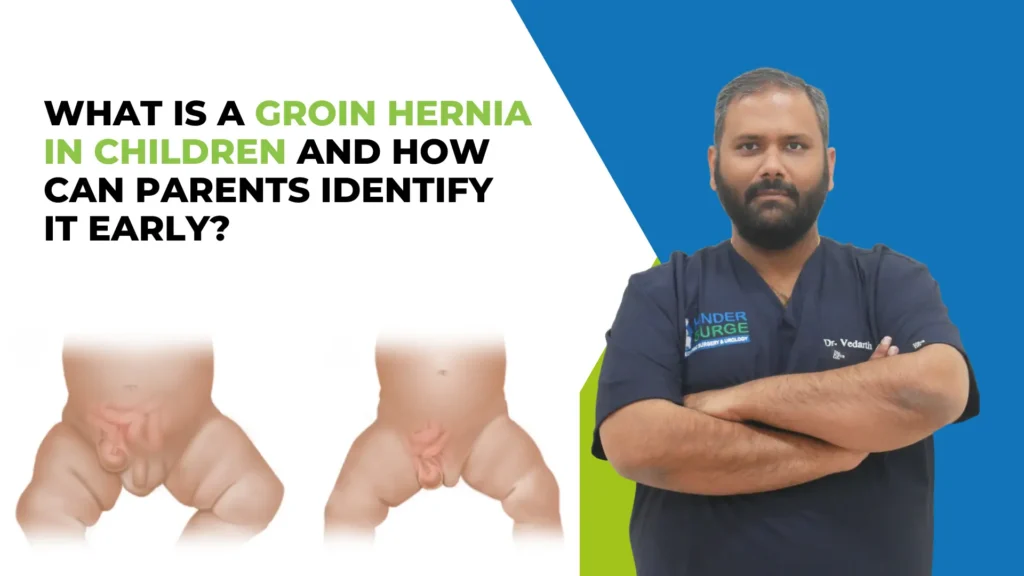
What is a Groin Hernia in Children?
A groin hernia occurs when a portion of the intestine or abdominal tissue pushes through a weak area in the lower abdominal wall, creating a visible bulge in the groin region. This condition is usually present from birth and develops due to incomplete closure of a natural passage in the abdominal wall during fetal development.
Groin hernias are more common in boys than girls and are frequently seen in premature babies. The swelling may appear on one or both sides of the groin and can become more noticeable when the child cries, coughs, strains, or stands.
What Causes Groin Hernias in Children?
During pregnancy, a small tunnel known as the inguinal canal helps certain structures develop properly. Normally, this passage closes before birth. However, if it remains open, abdominal contents can move through the opening and form a hernia.
Some factors that may increase the risk include:
- Premature birth
- Family history of hernias
- Low birth weight
- Certain connective tissue disorders
- Increased abdominal pressure
Importantly, groin hernias in children are not caused by lifting heavy objects or excessive physical activity.
How Can Parents Identify a Groin Hernia Early?
Early identification is essential for preventing complications. Parents should watch for the following signs:
1. Visible Swelling in the Groin
The most common sign is a soft bulge or lump in the groin area. It may appear larger when the child cries, coughs, or strains and may disappear when the child is relaxed or lying down.
2. Swelling Extending into the Scrotum
In boys, the hernia may extend into the scrotum, causing one side to appear larger than the other.
3. Intermittent Appearance
The swelling may not always be visible. Many parents notice it only during bathing, diaper changes, or periods of crying.
4. Discomfort or Irritability
Infants may become unusually fussy or irritable due to discomfort caused by the hernia.
5. Groin Fullness During Activity
Older children may complain of a feeling of heaviness or discomfort in the groin, especially after physical activity.
When Does a Groin Hernia Become an Emergency?
A hernia should never be ignored because it can become trapped, a condition known as incarceration. This prevents the intestine from returning to the abdomen and may cut off its blood supply.
Seek immediate medical attention if your child experiences:
- Persistent groin swelling
- Severe pain or excessive crying
- Vomiting
- Redness over the swelling
- Fever
- Swelling that cannot be gently pushed back
These symptoms may indicate a strangulated hernia, which requires urgent surgical treatment.
How Is a Groin Hernia Diagnosed?
In most cases, diagnosis is made through a physical examination. A pediatric surgeon will assess the swelling and review the child’s symptoms.
Additional imaging tests are rarely required but may be recommended when the diagnosis is unclear. Ultrasound can help confirm the presence of a hernia and evaluate its contents.
What Is the Treatment for Groin Hernias in Children?
Unlike some adult hernias, groin hernias in children do not heal on their own. Surgery is the only effective treatment.
Hernia Repair Surgery
The procedure involves:
- Closing the abnormal opening in the abdominal wall
- Returning any protruding tissue to its normal position
- Preventing future complications
Most pediatric hernia surgeries are performed as daycare procedures, allowing children to return home the same day.
Recovery After Surgery
Children generally recover quickly after hernia repair. Most can:
- Resume normal feeding within hours
- Return to routine activities in a few days
- Experience minimal discomfort
- Achieve excellent long-term outcomes
Parents are usually advised to follow simple wound care instructions and attend follow-up appointments as recommended.
Can Groin Hernias Be Prevented?
Since most groin hernias are congenital, they cannot be prevented. However, early recognition and timely consultation with a pediatric surgeon can significantly reduce the risk of complications.
Parents should routinely observe for any unusual groin swelling, especially in newborns, infants, and premature babies.
FAQ
1. What are the first signs of a groin hernia in children?
The earliest sign is usually a soft bulge or swelling in the groin that appears when the child cries, coughs, or strains.
2. Can a groin hernia disappear on its own in children?
No. Groin hernias in children do not resolve naturally and typically require surgical repair.
3. Is groin hernia surgery safe for children?
Yes. Pediatric hernia surgery is a common and safe procedure with excellent success rates and quick recovery.
4. Are groin hernias more common in boys or girls?
Groin hernias are significantly more common in boys, although girls can also develop them.
5. Who provides the best Groin Hernia Treatment for Children in HSR Layout?
Dr. Vedarth Dash offers specialized Groin Hernia Treatment for Children in HSR Layout, providing expert diagnosis, surgical care, and comprehensive follow-up for infants and children.
Conclusion
Awareness of Groin Hernia Treatment for Children in HSR Layout can help parents identify the condition early and seek timely medical care. A groin hernia often presents as a visible swelling that becomes more noticeable during crying or physical activity. While the condition is common and highly treatable, delaying treatment can increase the risk of complications. If you notice any unusual groin swelling in your child, consult a pediatric surgeon promptly for evaluation and appropriate management. Early diagnosis and treatment ensure a safe recovery and allow your child to continue growing and thriving without discomfort.