
Children often need medicines to recover from illnesses, manage infections, reduce fever, or treat chronic health conditions. As a parent, it’s natural to have questions about why a particular medicine is prescribed, how it works, and whether it’s safe. Seeking expert Child Healthcare in HSR Layout ensures your child receives the right medication, correct dosage, and appropriate guidance based on their age, weight, and medical condition.
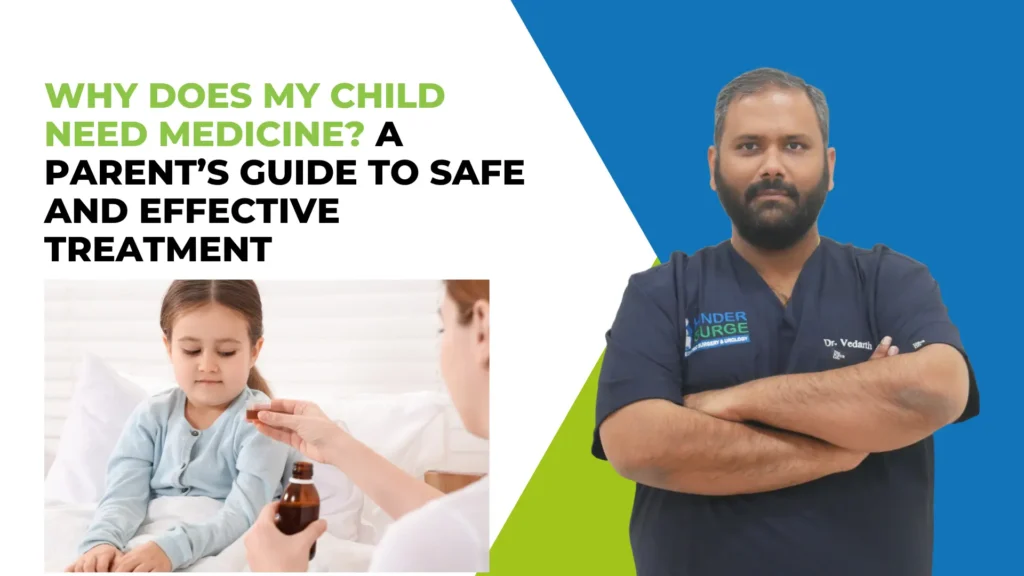
Understanding Why Children Need Medicine
Medicines play an important role in helping children recover from illnesses and preventing complications. Unlike adults, children require carefully selected medications because their bodies process medicines differently. Pediatricians prescribe medicines only when the benefits outweigh the risks, ensuring safe and effective treatment.
Some conditions improve with rest and hydration alone, while bacterial infections, asthma, allergies, or nutritional deficiencies may require medication for complete recovery.
Common Reasons Children May Need Medicine
1. Fever and Pain Relief
Medicines such as fever reducers help lower body temperature, relieve discomfort, and keep children comfortable while their immune system fights infection.
2. Bacterial Infections
Conditions like ear infections, pneumonia, urinary tract infections, and certain throat infections may require antibiotics. Completing the full prescribed course is essential, even if your child starts feeling better.
3. Allergies
Children with seasonal allergies or skin allergies may need antihistamines or other medications to reduce symptoms like itching, sneezing, and rashes.
4. Asthma and Breathing Problems
Inhalers and other prescribed medicines help control airway inflammation, making breathing easier and reducing the risk of asthma attacks.
5. Vitamin and Nutritional Deficiencies
Some children may need vitamin D, iron, calcium, or other supplements to support healthy growth and development.
Tips for Giving Medicine Safely
Parents should always follow the doctor’s instructions while giving medicines. Safe medication practices help avoid side effects and ensure the best results.
- Give the exact prescribed dose.
- Use the measuring syringe or cup provided.
- Follow the recommended timing and duration.
- Never share medicines between siblings.
- Store medicines safely away from children’s reach.
- Check expiry dates before use.
Common Mistakes Parents Should Avoid
Certain medication errors can delay recovery or increase health risks.
- Stopping antibiotics too early.
- Giving adult medicines to children.
- Guessing the dose instead of measuring it.
- Mixing medicines without medical advice.
- Skipping doses or doubling the next dose.
If your child vomits after taking medicine or misses a dose, consult your pediatrician before repeating the medication.
Warning Signs That Need Immediate Medical Attention
Parents should seek medical care immediately if their child experiences:
- Difficulty breathing after taking medicine.
- Swelling of the face, lips, or tongue.
- Severe rash or hives.
- Persistent vomiting.
- Extreme sleepiness or unusual behavior.
- High fever that does not improve.
- Accidental medicine overdose.
Prompt medical attention helps prevent serious complications.
When Should You Consult a Pediatrician?
Consult a pediatrician whenever your child has persistent symptoms, repeated infections, high fever, breathing difficulties, or if you are unsure whether medication is necessary. Never start or stop medicines without professional guidance.
An experienced pediatrician carefully evaluates your child’s symptoms, medical history, allergies, and weight before prescribing treatment. This personalized approach ensures safe, effective, and age-appropriate care.
Safe and Effective Treatment for Children
Modern pediatric care focuses on evidence-based treatment while minimizing unnecessary medication. Depending on your child’s condition, treatment may include:
- Fever and pain management
- Antibiotics for bacterial infections
- Allergy medications
- Asthma management
- Nutritional supplements
- Hydration and supportive care
- Regular follow-up when required
Parents should always communicate openly with their child’s doctor and ask questions about dosage, side effects, and expected recovery.
Supporting Your Child During Treatment
Children recover better when they feel supported and reassured. Parents can help by:
- Encouraging plenty of fluids.
- Offering healthy, nutritious meals.
- Ensuring adequate rest.
- Following the complete medication schedule.
- Keeping follow-up appointments.
- Avoiding self-medication without medical advice.
A calm and supportive environment helps children recover both physically and emotionally.
FAQ
1. Why does my child need medicine if the illness seems mild?
Some illnesses resolve naturally, while others require medication to prevent complications, reduce symptoms, or eliminate infections. Your pediatrician recommends medicines only when necessary.
2. Is it safe to give antibiotics whenever my child has a fever?
No. Antibiotics only treat bacterial infections and are not effective against viral illnesses. They should only be used when prescribed by a doctor.
3. What should I do if my child refuses to take medicine?
Stay calm, use the measuring device provided, and follow your pediatrician’s advice. Never force or mix medicines with food without checking first.
4. Can I stop the medicine once my child starts feeling better?
No. Some medicines, especially antibiotics, should be completed exactly as prescribed to ensure complete recovery and prevent resistance.
5. Where can I find trusted Child Healthcare in HSR Layout for my child’s medical needs?
For comprehensive Child Healthcare in HSR Layout, consult Dr. Vedarth Dash, who provides personalized pediatric care, accurate diagnosis, and safe treatment plans tailored to every child’s health needs.
Conclusion
Giving medicine to your child can feel overwhelming, but understanding why it is prescribed helps parents make informed decisions. Safe medication practices, timely medical advice, and regular follow-up contribute to faster recovery and better long-term health. If your child is unwell, choosing expert Child Healthcare in HSR Layout ensures compassionate care, accurate diagnosis, and personalized treatment that supports healthy growth and development.